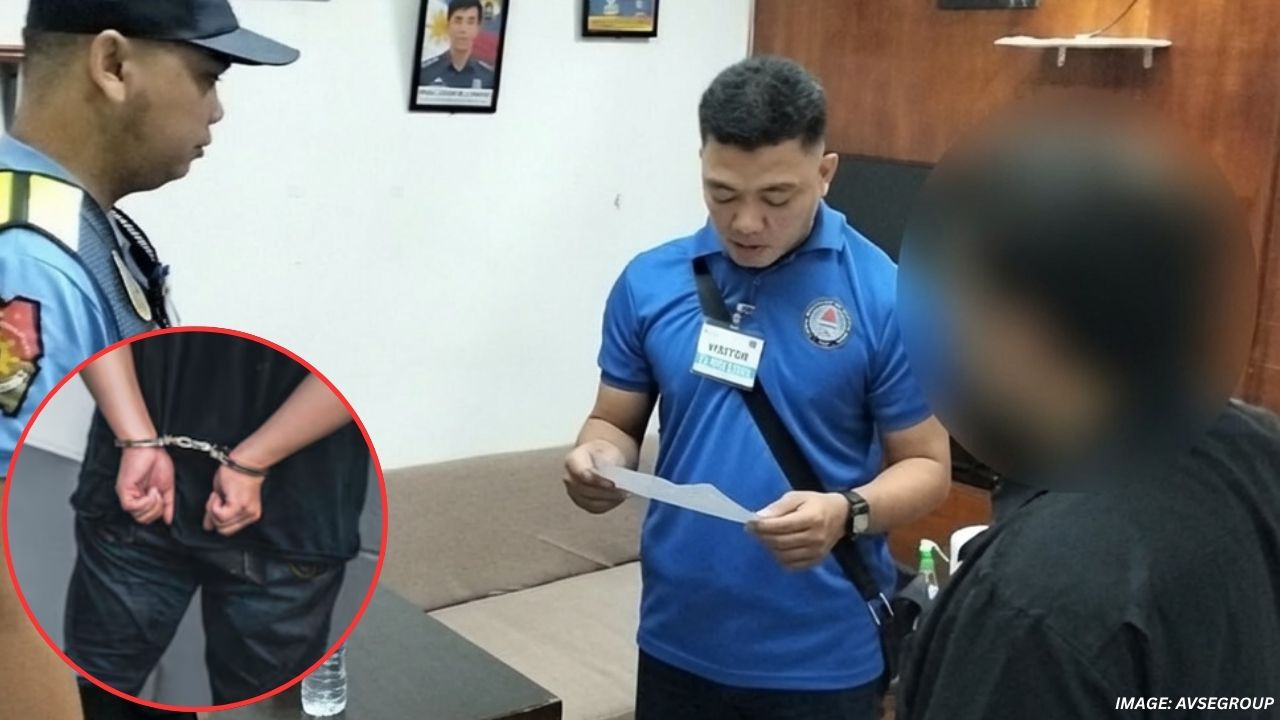
Philippines – A passenger wanted for murder was arrested at Ninoy Aquino International Airport (NAIA) Terminal 1 on August 1, 2026, moments after landing on a flight from the United States. The suspect walked straight into a coordinated dragnet set up by three government agencies.
According to a statement from the PNP Aviation Security Group (AVSEGROUP), the arrest was carried out through a joint operation with the Bureau of Immigration (BI) and the Criminal Investigation and Detection Group (CIDG). The suspect was flagged as an inbound passenger with a standing warrant.
The Charge and the Warrant
The accused was taken into custody based on an Alias Warrant of Arrest for Murder under Article 248 of the Revised Penal Code. Key details of the case include:
- Charge: Murder (Article 248, Revised Penal Code)
- Warrant type: Alias Warrant of Arrest
- Bail: None recommended
- Point of arrest: NAIA Terminal 1, arrivals area
Because the warrant carries no recommended bail, the suspect will remain in custody as the case moves through the courts.
How the Arrest Went Down
Officers implemented the court-issued warrant the moment the passenger cleared arrival procedures. Authorities said the process followed standard legal safeguards:
- The accused was told the reason for his arrest.
- He was read his rights under the Miranda Doctrine in a language he understood.
- The entire arrest was captured using an Alternative Recording Device (ARD), in line with existing rules.
These steps are meant to protect the integrity of the arrest and prevent any legal challenges later on.
Turned Over to CIDG
After the warrant was served, the suspect was handed over to the CIDG for documentation and further legal proceedings. The CIDG will now handle the paperwork and coordinate the next steps with the courts.
Airport Security Message
PNP AVSEGROUP Director PBGEN Dionisio B. Bartolome Jr. stressed the group’s commitment to keeping the country’s airports safe and enforcing court orders.
“Patuloy na makikipagtulungan ang PNP Aviation Security Group sa aming mga partner agencies upang maipatupad ang mga utos ng hukuman at mapanatili ang seguridad sa ating mga Paliparan,” he said.
What This Means for OFWs
For Filipinos abroad, this case is a reminder that airports remain tightly monitored entry points. Pending warrants do not disappear with time or distance. Those with unresolved legal matters back home can expect to be flagged the moment they touch Philippine soil, no matter where their flight originates.