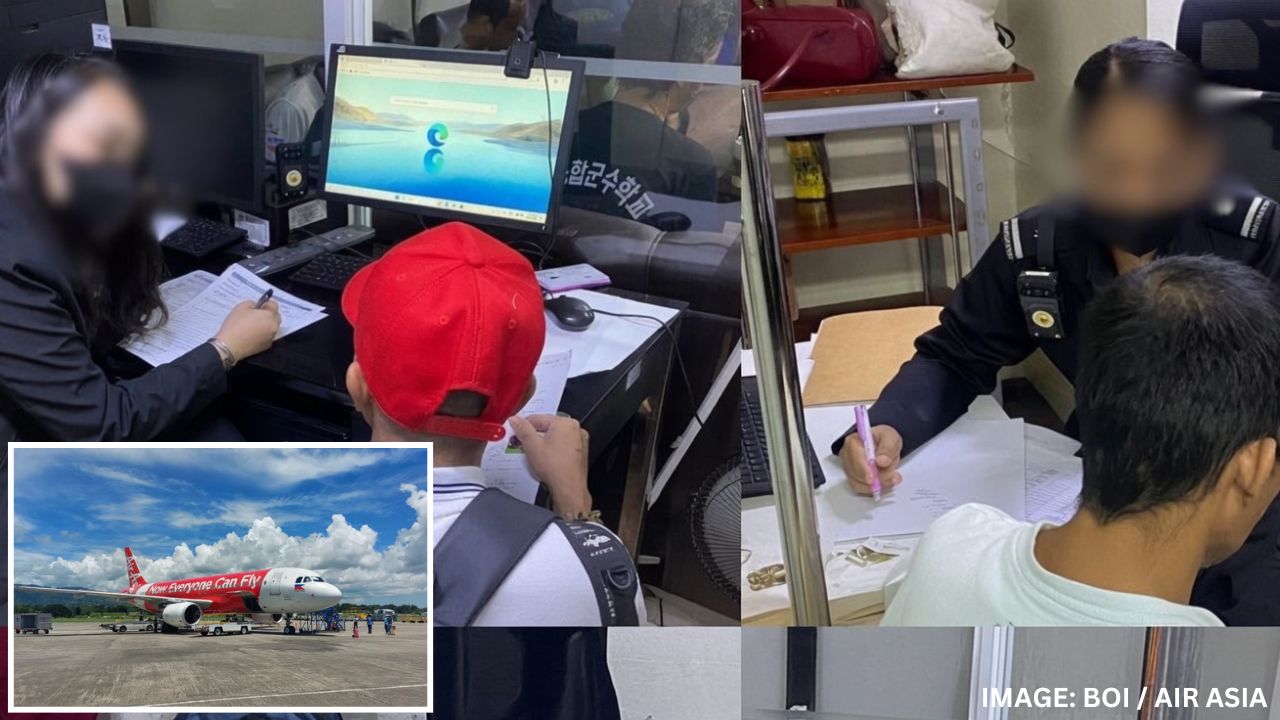
Philippines – Eleven Filipinos landed back home at Ninoy Aquino International Airport (NAIA) Terminal 1 on June 16, repatriated from Kota Kinabalu in Sabah, Malaysia. Their return has pushed the Bureau of Immigration (BI) to issue a fresh warning to anyone tempted to chase work abroad through illegal routes.
According to an official press release from the Bureau of Immigration, the group arrived aboard a Philippines AirAsia flight. Initial interviews revealed that six of the 11 had slipped out of the country through an irregular migration corridor, better known among many kababayans as the “BACKDOOR.”
What the Repatriates Went Through
The returning workers had taken on a range of jobs in Malaysia, often under harsh conditions and without proper documents. Based on the BI’s findings, they worked in:
- Construction
- Mechanical jobs
- Maritime-related work
One woman among the group was recruited as an entertainer. The most troubling detail, though, is what many of them did not get. Most reported that they received no salary at all during their time working abroad.
That single fact sums up the danger of bypassing legal departure procedures. Without contracts, papers, or government oversight, these workers had little to fall back on when employers refused to pay.
BI Commissioner Sounds the Alarm
Immigration Commissioner Joel Anthony Viado said this case is a clear example of the risks Filipinos face when they leave through unauthorized channels.
“Unscrupulous recruiters continue to prey on Filipinos by promising jobs abroad while encouraging them to bypass legal departure processes,” Viado said. “Those who take these illegal routes often end up vulnerable to exploitation, unpaid labor, abuse, and abandonment, with little protection from authorities. We strongly urge our kababayans to pursue overseas employment only through legal and documented channels.”
The warning fits squarely with President Ferdinand R. Marcos Jr.’s directive to shield overseas Filipinos from illegal recruitment and human trafficking.
Why This Matters for OFWs
For Filipinos planning to work overseas, the message is simple but serious. Backdoor exits may look like a faster path to a job, but they strip away the safety net that legal migration provides.
If you are heading abroad for work, make sure your departure goes through official, documented channels. It is the only way to keep your rights protected if things go wrong.