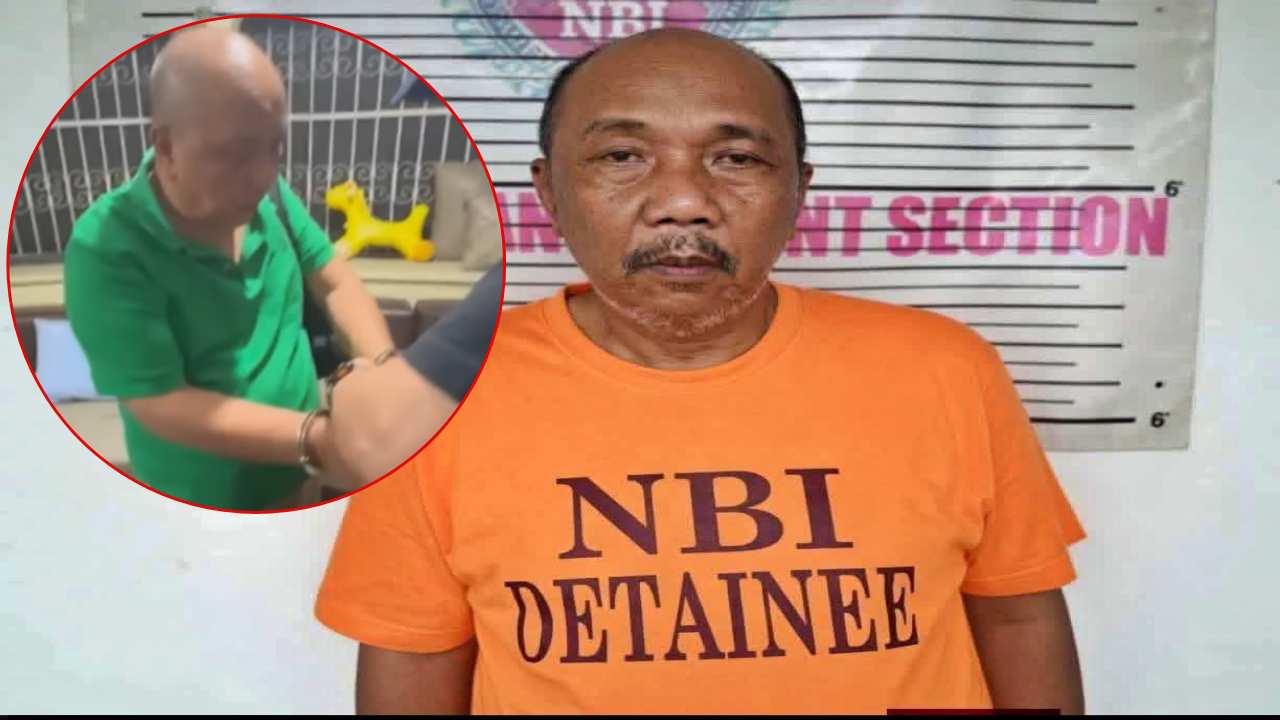
Quezon City, Philippines – Veteran TV host Jay Sonza was recently arrested in Quezon City over allegations of spreading false information about the health of President Ferdinand Marcos Jr. The Pasay Regional Trial Court (RTC) issued a non-bailable arrest warrant against Sonza, sparking debates among legal experts.
Legal Basis and Controversy
According to a report, Sonza faces charges under Article 154 of the Revised Penal Code (RPC) for unlawful publication, in relation to the Cybercrime Prevention Act of 2012. The National Union of Peoples’ Lawyers (NUPL) President Ephraim Cortez, however, argued that the charges should be bailable under Philippine law.
Cortez explained that the RPC prescribes a penalty of arresto mayor (30 days to six months imprisonment) for unlawful publication. When committed online, the Cybercrime Law increases the penalty to prision correccional (six months to six years imprisonment). Despite the increased penalty, Cortez emphasized that the offense remains bailable.
Constitutional Right to Bail
Cortez further clarified that the Constitution guarantees the right to bail, except for capital offenses or crimes punishable by life imprisonment. He stated, “The court cannot change that,” adding that the nature of the offense does not justify the issuance of a non-bailable warrant.
Sonza’s legal team, led by Atty. Mark Tolentino, echoed this sentiment, describing the warrant as “highly irregular” for what they consider a minor offense. Tolentino pointed out that the charge is punishable by either arresto mayor or a fine, making the non-bailable classification questionable.
NBI’s Role and Next Steps
The National Bureau of Investigation (NBI), which executed the arrest, stated that the decision on bail ultimately rests with the court. Meanwhile, Sonza’s camp has vowed to challenge the non-bailable warrant, asserting their readiness to go through due process.
Additional Legal Challenges
Apart from this case, Sonza is also facing a separate cyberlibel charge before the Pasay RTC Branch 111. His legal battles continue to draw public attention, raising questions about the application of laws in cases involving public figures and sensitive topics.
This developing story highlights the ongoing debate over the balance between freedom of expression and accountability in the digital age.