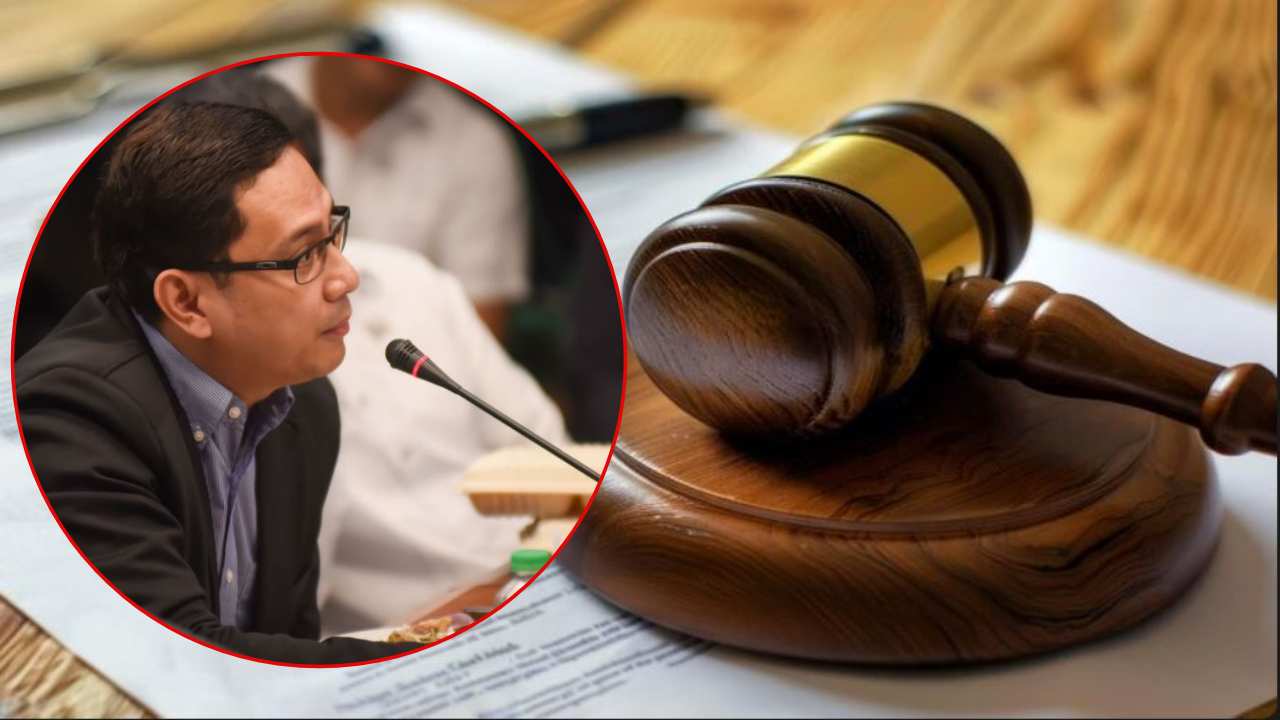
Manases Carpio, husband of Vice President Sara Duterte, is taking aggressive legal steps to counter recent financial disclosures. He is set to file criminal complaints against key officials from the Bangko Sentral ng Pilipinas (BSP), the Anti-Money Laundering Council (AMLC), and several members of the House of Representatives.
According to a recent news report, the impending lawsuit stems from the highly publicized release of the couple’s confidential financial records. During a recent House clarificatory hearing regarding an impeachment complaint against the Vice President, AMLC officials revealed reports of “suspicious” and “covered” bank transactions totaling P6.77 billion. These flagged transactions allegedly spanned nearly two decades.
Breaking Down the Alleged Violations
Carpio claims that the respondents worked together to illegally expose classified banking information to the public. The complaint specifically targets BSP Governor Eli Remolona Jr., AMLC Executive Director Ronel Buenaventura, and multiple lawmakers involved in the hearings.
The legal team accuses these officials of violating three major legal frameworks:
- The Anti-Money Laundering Act (AMLA)
- The Bank Secrecy Law (RA 1405)
- The Data Privacy Act (RA 10173)
The leaked records reportedly included deep details on private transactions. Information regarding insurance payments, time deposits, investments, and even standard utility bills was brought out into the open. For many of you following Philippine politics from abroad, this level of financial exposure during an inquiry highlights a massive clash between government transparency and individual privacy rights.
A Stance Against Political Harassment
Carpio did not hold back in his response to the hearings. He framed the disclosure not as a valid regulatory action, but as a deliberate political attack against his family. He openly described the data leak as a tool for “black propaganda and political harassment” aimed at damaging the Duterte family’s reputation ahead of the 2028 national elections.
Furthermore, Carpio emphasized that his legal action serves a broader purpose beyond his immediate household. He stated he is stepping up to defend the entire banking and financial community. By challenging these unprecedented leaks, he aims to protect the unwary general public from experiencing similar privacy breaches in the future.
He firmly reminded the public and lawmakers alike that bank records remain strictly confidential under Philippine law. As this legal battle unfolds, we will continue to monitor how these sweeping charges impact the ongoing political landscape back home.