Philippines – A 45-year-old Filipina who dreamed of working abroad never made it past the immigration counter at Clark International Airport. Her Overseas Employment Certificate (OEC), it turned out, was doctored.
According to an official statement from the Bureau of Immigration (BI), officers flagged the woman on July 24 as she prepared to board a connecting flight to Dubai in the United Arab Emirates. What should have been a routine document check instead uncovered an altered certificate and a possible illegal recruitment scheme behind it.
How the Fake Document Was Caught
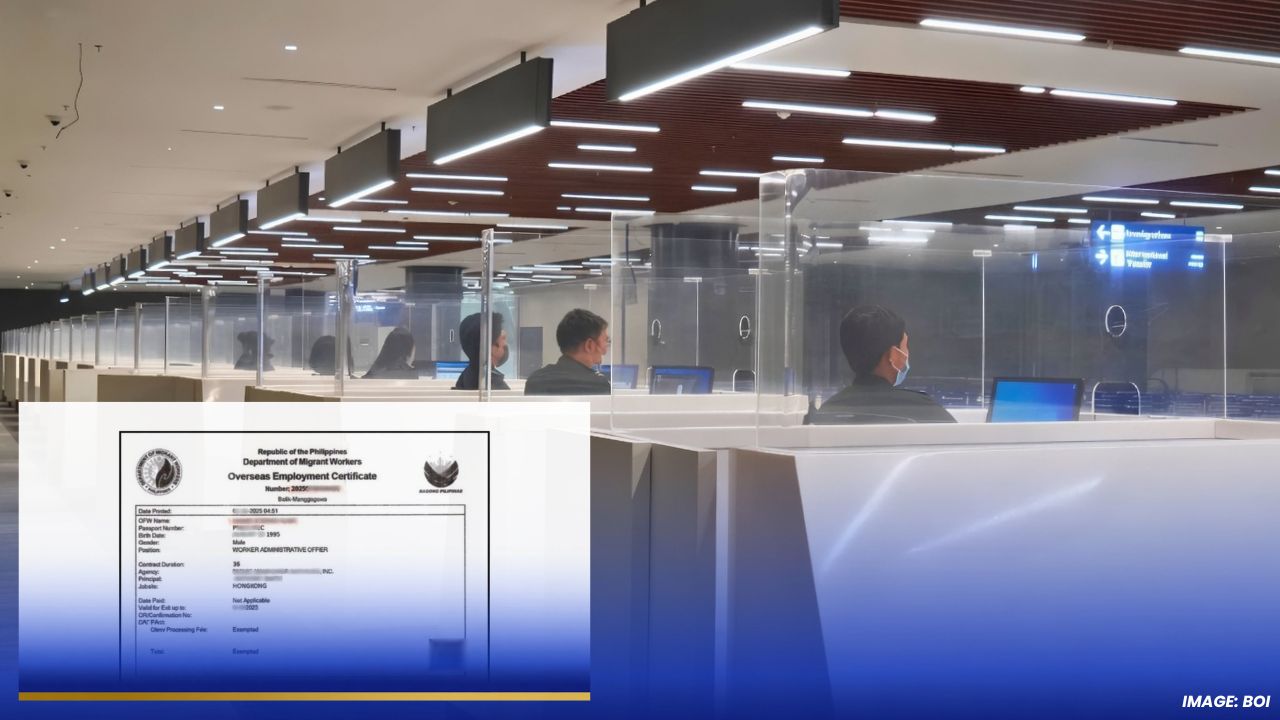
During inspection, the passenger handed over her OEC like any other departing worker. But when officers ran the document through the BI’s integrated system, the details did not line up.
The system is now directly linked to the Department of Migrant Workers (DMW) database. That connection allowed immigration personnel to cross-check the certificate in real time and confirm it had been tampered with.
Key points from the case:
- The traveler was headed to Dubai on a connecting flight
- Her destination job was as a nanny for an Egyptian employer
- Verification against the DMW database exposed the altered OEC
- She claimed she had no idea the paper was fake, saying her recruiter simply gave it to her
Turned Over for Protection
Rather than treating her as a suspect, authorities handled the woman as a possible victim. The BI turned her over to the Inter-Agency Council Against Trafficking (IACAT) for assistance and support.
IACAT will also handle the filing of cases against the people behind her attempted deployment, including the recruiter who allegedly supplied the falsified certificate.
BI Chief’s Message to OFWs
BI Commissioner Joel Anthony Viado said the interception shows how digital tools are changing the fight against illegal recruitment.
“The Bureau’s system is now directly connected to the Department of Migrant Workers’ database, allowing our officers to instantly verify the authenticity of every Overseas Employment Certificate,” Viado said. He added that “the old ways of faking OECs will not work anymore because everything is now online.”
His advice to aspiring OFWs was blunt: process your papers only through legitimate channels, and never trust fixers or illegal recruiters.
What This Means for Departing Workers
The BI reminded overseas workers to double-check both their deployment documents and the recruiters who arrange them. With tighter digital screening at Philippine ports, more attempts to smuggle out trafficking victims are being stopped before they leave home soil.