PHILIPPINES: The Philippines has set aside its biggest-ever education budget, yet thousands of students still cram into crowded, run-down classrooms. Now lawmakers want to know why the money isn’t reaching the schools fast enough.
According to a statement from the Senate Committee on Basic Education, the panel will investigate why the rollout of classroom construction projects has lagged in many parts of the country. The committee chairperson said approving the budget is only half the job—getting it spent properly and on time is what truly matters for Filipino learners.
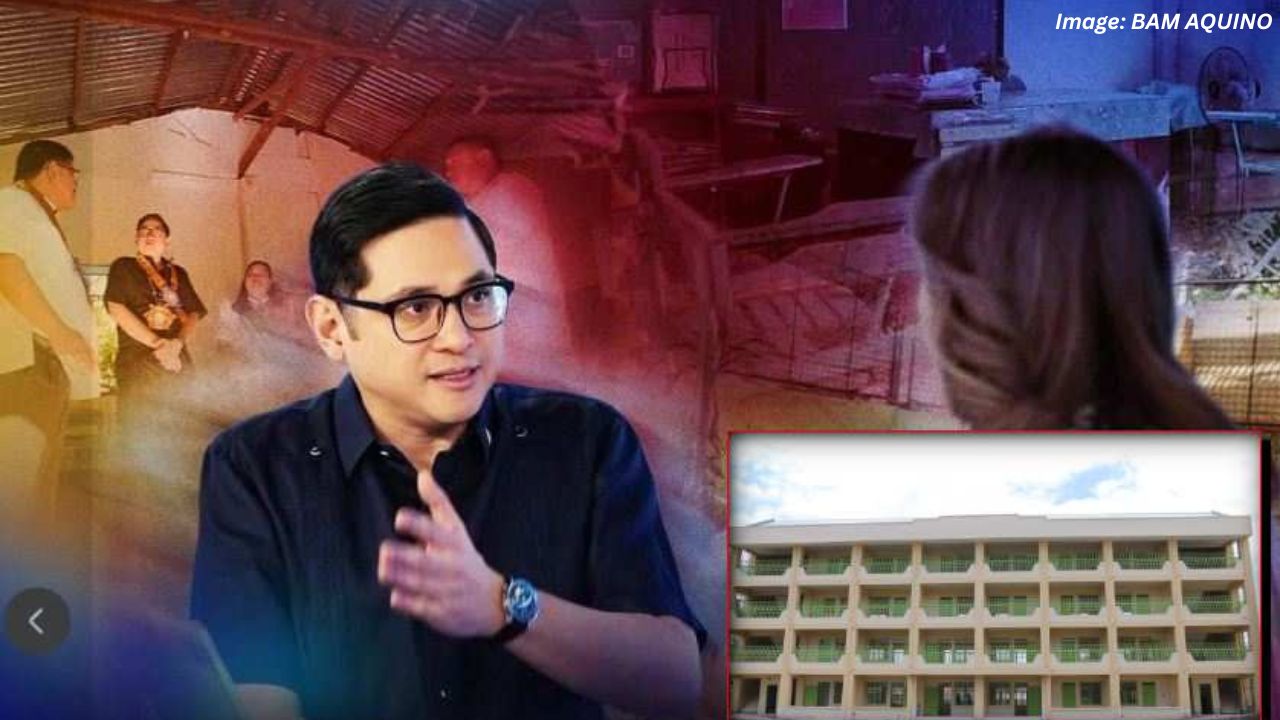
Record Budget, Slow Results
This year, the government approved a historic P1.34-trillion budget for education. Out of that amount, P67 billion was earmarked to build 25,000 new classrooms in 2026.
The intent is clear. The execution, however, has been anything but quick. Officials note that construction has moved slowly across several regions, leaving classrooms that were promised to students and teachers still unbuilt.
The committee plans to dig into the reasons behind the holdups, including:
- Why fund releases and projects stall after approval
- How the construction timeline can be sped up
- What measures will keep funds flowing directly to schools in need
A Shortage That Keeps Growing
The numbers paint a hard picture. The country currently faces a shortage of about 166,000 classrooms.
On top of that, a recent earthquake in Mindanao damaged more than 1,000 classrooms, all of which now require urgent repair. Every month of delay pushes more children into overcrowded rooms or facilities that simply aren’t fit for learning.
For Filipino families abroad, this hits close to home. Many OFWs send money back to support younger siblings and children still in school. When classrooms are missing or unsafe, those sacrifices feel heavier.
Pushing for Faster Action
The committee made it plain: critical education projects can’t be allowed to drag on. The focus is on speeding up programs that directly support students’ learning and their future.
Lawmakers say they will keep pressing for reforms that tackle the crisis from both ends—building the classrooms that are missing and expanding programs that help children learn better.
The message behind the effort is straightforward. Every Filipino child deserves a safe classroom and a fair shot at a better future. For families working overseas to give their kids exactly that, the promise of faster results can’t come soon enough.